

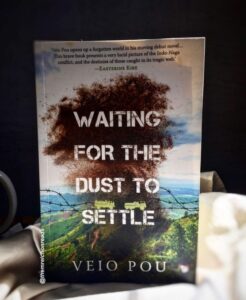
They called it ‘Operation Bluebird’. On the fateful day of 9th July, 1987, the Underground Naga army attacked and raided the Assam Rifles outpost at Oinam Hill Village, a Poumai Naga Village in Senapati District, Manipur. Nine Assam Rifles soldiers were killed and the Naga Underground escaped with their looted arms and ammunitions. In an […]

Love, Lust and Loyalty by Yuimi Vashum tells the truth about something not often said or something often hushed. Divided in two parts, Vashum speaks about sexual abuse in the first part. Love, relationship and heartbreak dominates the second part. . . . Love, Lust and Loyalty is far from what a superficial society would […]
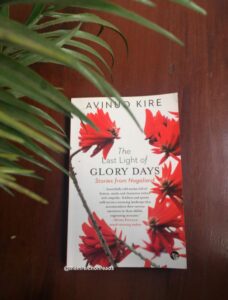
The storehouse of storytelling resources lies in the past. The cultures and the traditions that the forefathers hold dear somehow find their way back into the lives of their progeny. Avinuo Kire’s third book, The Last Light of Glory Days unfurls lucid stories of the past of Naga, the cultural practises of the Naga forefathers […]
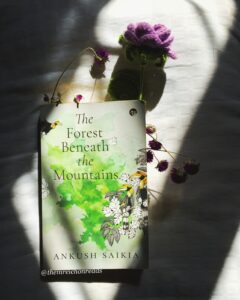
The first book that I read of Ankush Saikia was The Girl From Nongrim Hills, a noir thriller which is set in Shillong. Saikia has come a long way since then. The Forest Beneath the Mountains is not exactly the noir that you find in Saikia’s works. It’s more than that. It is an […]
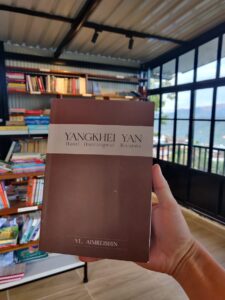
Khararthotliva ngashan eina shiyan-chikan hina mi ākhawui ācham-āram kala achei-are katongali chizamida mirinwui tamme oja thada leikasana.” Traditions and cultures frame the intrinsic characteristics of one’s identity. Written in the vernacular Tangkhul language, Yangkhei Yan- Haori Haorangwui Riyanna, talks about the importance of Tangkhul clothing traditions and cultures in identifying oneself as a Tangkhul. […]
Please wait...